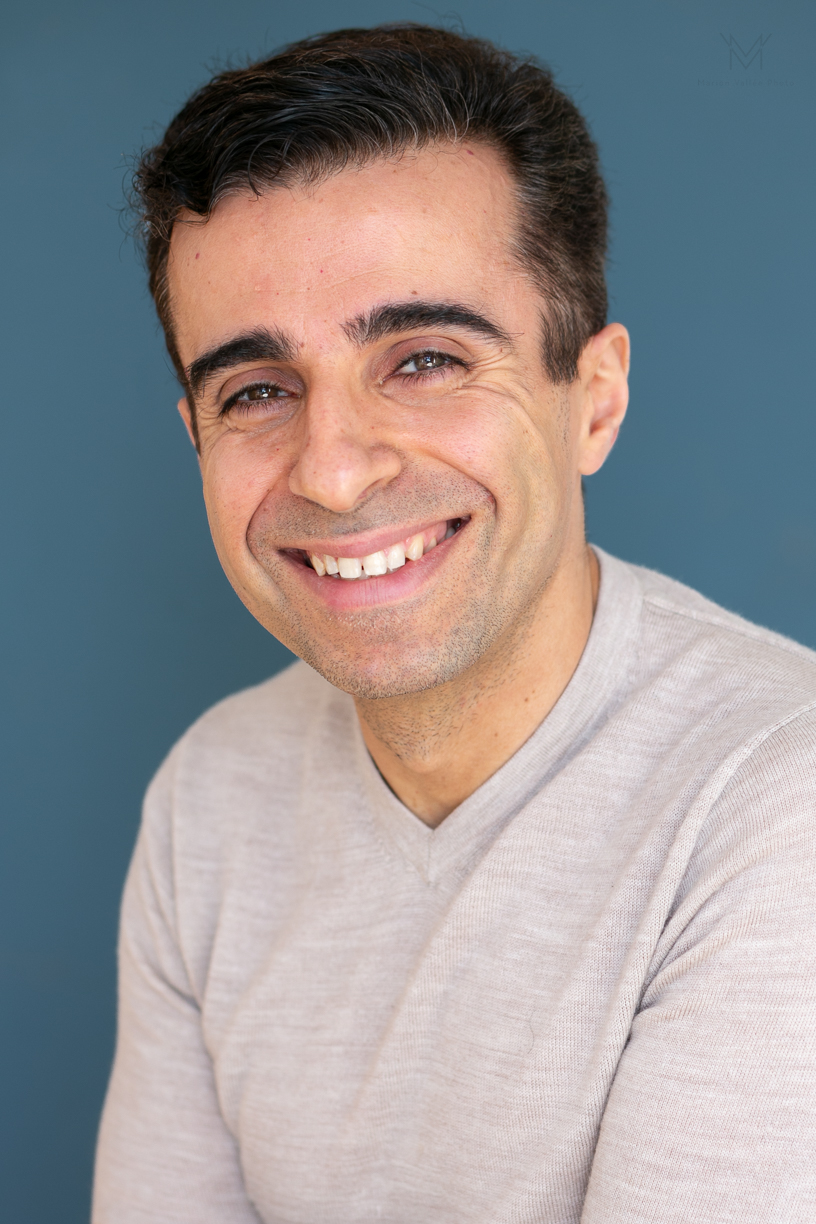
Born in Montmartre and trained across art, technique and the humanities (engineering, medicine, acting, painting, photography), Aurel J has built a painting practice that draws on all these layers — with one common thread: faces.
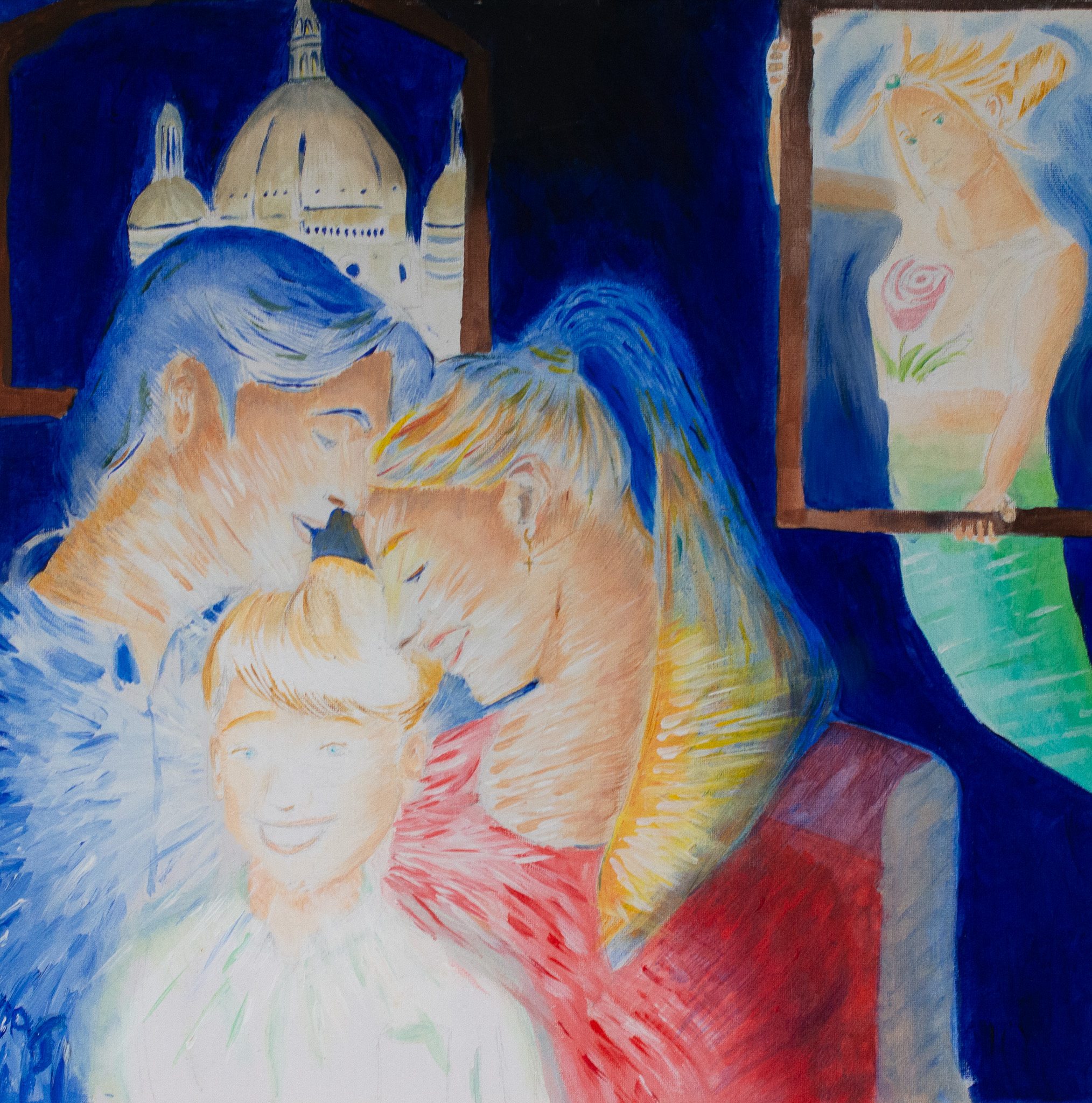
Between Paris and Stockholm, Aurel J paints faces. Faces that smile, that doubt, that search — but that always light up. Living faces, caught in a moment of truth.
His favourite techniques? Watercolour, for its lightness, its transparency, its fleetingness. And acrylic, where colour can vibrate, thicken, take on body.
"A painting should never leave you indifferent.
Its purpose is to move you, and to bring joy to whoever looks at it."
Aurel J's portraits are born from a gesture that is quick, precise, almost instinctive — but also from an awareness of space and light. Not to fill, but to find the right balance — "lagom" in Swedish — between white and colour.
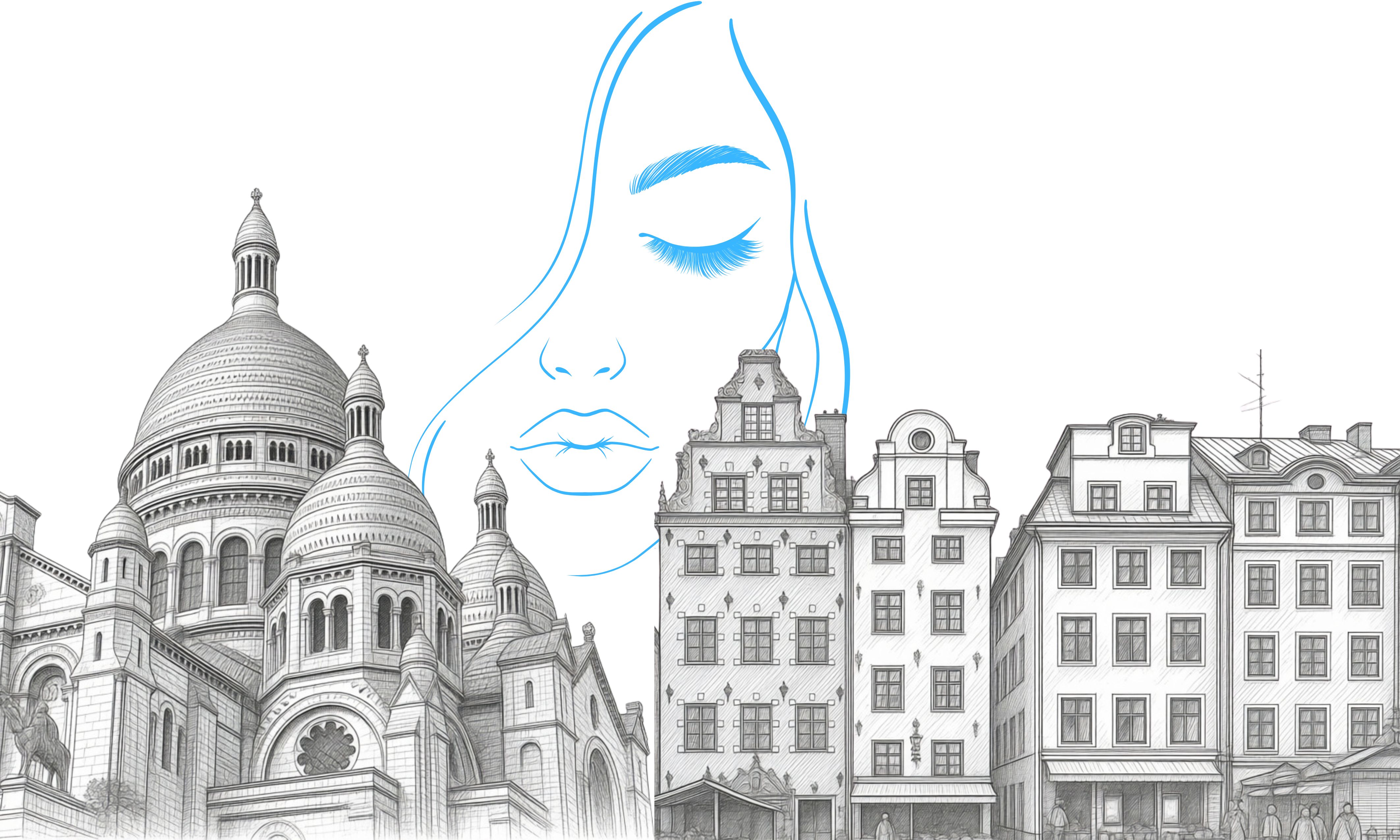
This balance is nourished by the two cities.
In Montmartre, the inherited gesture, passed on by imitation, the steep lanes, the flickering light of the streetlamps that stirs emotion.
In Stockholm, the presence of nature, of water, a colder, more horizontal clarity that also stirs emotion.
Aurel J's compositions move between these Latin and Scandinavian influences. The result is not decorative — it doesn't seek to please at first glance, but to touch, to shift something in the viewer.
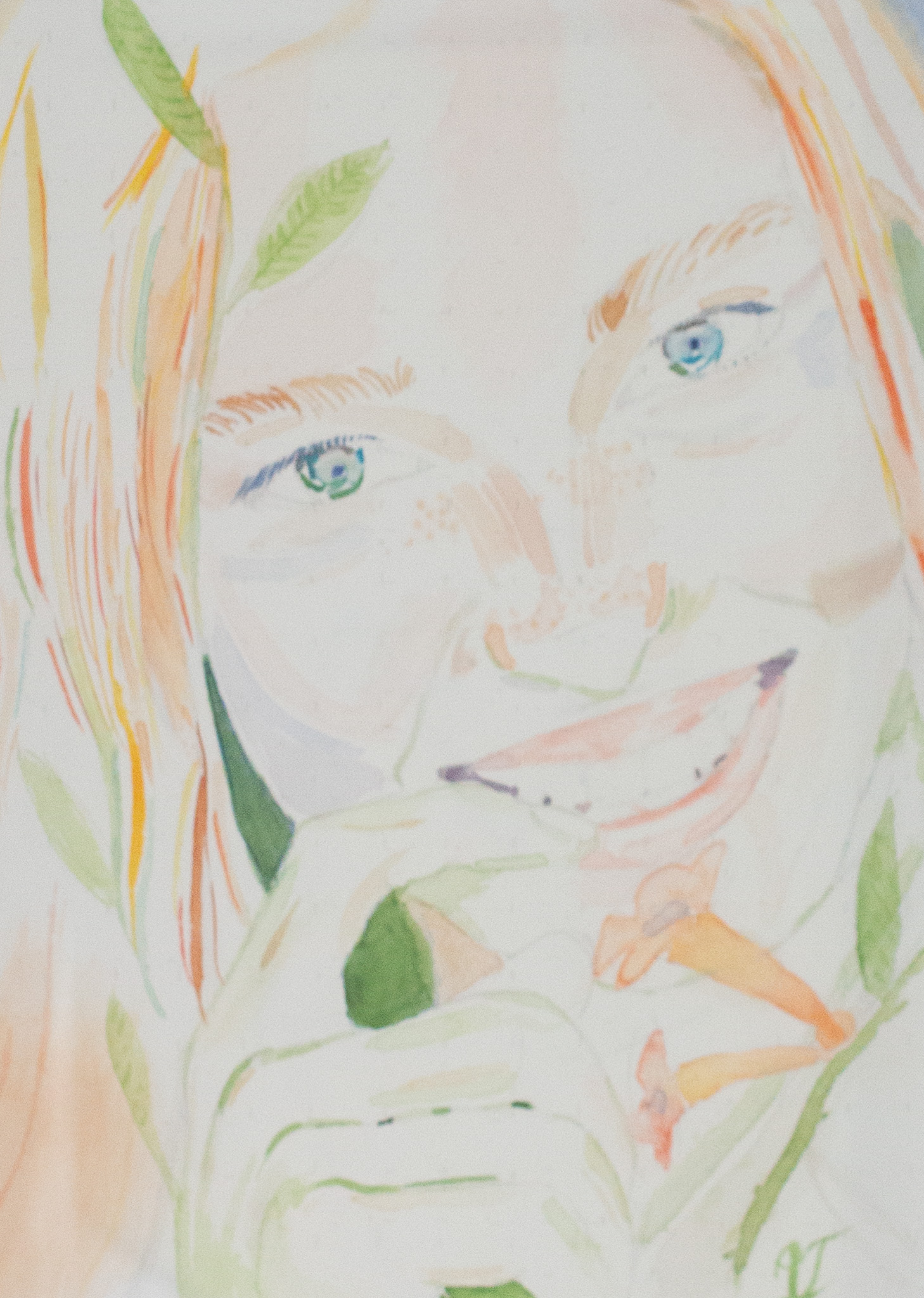
"In every case, painting a face is a challenge to time passing."
Portraiture is a discipline of humility.
In watercolour, a brushstroke is nearly impossible to correct: every gesture is final, every hesitation on the face stays visible through the transparency of the paper. In acrylic, the constraint is different — drying time gives the artist a limited window to shape the material.
In every case, a painted face is a challenge to time passing. The challenge of capturing that fleeting moment when the sitter's smile is born, deep down. And then the challenge of translating it into emotion, with the simplest technique possible.
The importance of white, and of transparency, in a portrait is, for me, a response to the impossible demand of trying to put everything on the canvas. It's also a way of leaving room for the viewer's imagination, and trusting their eye.
White is not an absence, it's a breath. In every canvas, there is as much empty space as colour — that's where the eye rests, and where the light can enter.

Nothing is fixed. The gesture comes before the thought, the brushstroke stays visible, the body guides the hand. Every canvas keeps the trace of the moment it was painted.
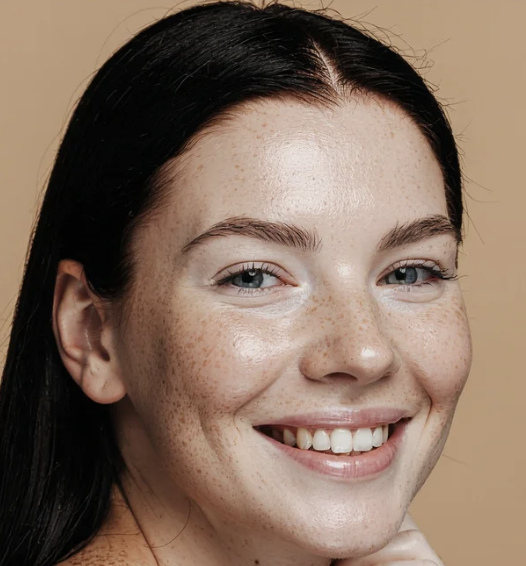
A face lighting up, a smile breaking through the paper or the canvas. Light here is not a technical effect: it is joy itself, glädje, sought in every portrait.